
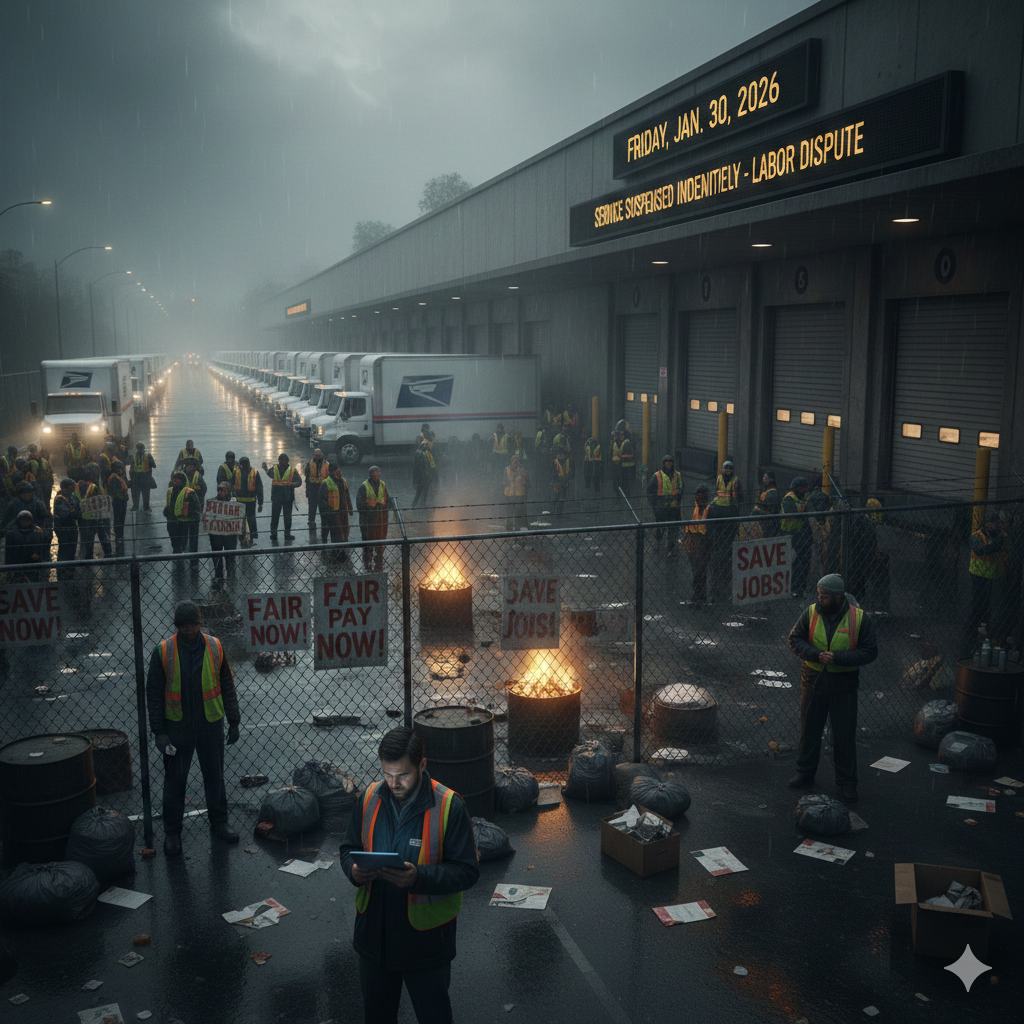
The phrase “postal strike” is enough to send a shiver down the spine of any small business owner or person waiting on an urgent passport. When mail services grind to a halt, it’s not just about a few late birthday cards; it’s a disruption of global supply chains, legal timelines, and essential communications.
Whether you are currently staring at an empty mailbox or trying to plan your shipping strategy for the coming months, understanding the “how” and “why” of postal strikes is essential.
Why Do Postal Strikes Happen?
Postal strikes aren’t just about refusing to deliver mail; they are a result of complex labor disputes. Most modern postal strikes revolve around three core issues:
- Wage Stagnation: In an era of high inflation, postal workers often fight for pay increases that match the rising cost of living.
- Job Security: As automation increases and “gig economy” models creep into delivery services, unions strike to protect full-time roles.
- Working Conditions: The explosion of e-commerce has led to a massive increase in parcel volume. Workers often strike to protest “unrealistic” delivery quotas.
How a Postal Strike Affects You
The impact of a strike depends on whether it is a “national strike” (complete shutdown) or a “rolling strike” (where different regions stop work on different days).
1. For Individuals
- Government Documents: Expect delays in receiving tax documents, passports, or driver’s licenses.
- Bill Payments: While many pay online, paper invoices may still be delayed. Note that a postal strike is rarely a legal excuse for late payment!
- E-commerce: That “Next Day Delivery” guarantee often goes out the window the moment a strike is announced.
2. For Small Businesses
- Cash Flow Issues: If you rely on physical checks, a strike can cause a sudden liquidity crunch.
- Customer Trust: Shipping delays are often blamed on the merchant, even if the fault lies with the carrier.
- Increased Costs: Businesses are often forced to switch to more expensive private couriers like FedEx or DHL.
Navigating the Disruption: Your Action Plan
If you hear news of an impending postal strike, don’t wait for the first day of the walkout to take action.
Check Official Status
The first step is always to visit the official website of your national carrier (e.g., USPS, Royal Mail, Canada Post). Look for a “Service Alerts” or “Newsroom” section. These pages provide real-time updates on which regions are affected and what specific services (like Express Mail) are still running.
Use the “Last Induction” Dates
Carriers usually post “last induction” dates. This is the final date you can send a package with a reasonable expectation that it will be delivered before the strike begins.
Alternative Shipping Routes
If the national post is down, consider these alternatives:
- Private Couriers: They are more expensive but operate on independent networks.
- PUDO Points: “Pick Up, Drop Off” locations (like lockers at local grocery stores) often remain functional if they use private logistics.
- Digital Alternatives: Switch to e-statements and digital signatures (like DocuSign) immediately.
Current Global Trends in Postal Labor
| Country | Common Strike Causes | Impact Level |
| United Kingdom | Pay disputes & modernization | High (National disruptions) |
| Canada | Health & safety, pay | High (Rotating strikes) |
| United States | Benefits & pension funding | Moderate (Highly regulated) |
| Germany | Wage increases | Moderate (Regional focus) |
Frequently Asked Questions
Q: Is it illegal for postal workers to strike?
In some countries, postal workers are considered “essential services,” meaning they have restricted strike rights. However, in many Western nations, they have the full right to collective bargaining and walkouts.
Q: What happens to my mail during a strike?
It is usually held in secure sorting facilities. Once the strike ends, carriers prioritize a “first-in, first-out” recovery, but backlogs can take weeks to clear.
Q: Can I get a refund for a late package?
Most carriers suspend “service guarantees” during a strike (force majeure). You are unlikely to get a refund for delays caused by labor disputes.
Summary: Staying Ahead of the Mail Gap
A postal strike is a logistical headache, but it doesn’t have to be a disaster. By staying informed through official navigational channels and having a “Plan B” courier ready, you can keep your life and business moving.
Pro Tip: Always sign up for SMS tracking alerts. If a strike is called while your package is in transit, you’ll be the first to know where it’s being held.
Leave a Reply